
Table of contents
Overcrowded hotspots, identical itineraries, and rushed photo stops are increasingly at odds with how many travelers want to move today, and the numbers back it up. International tourism returned to 99% of pre-pandemic levels in 2024, according to UN Tourism, while growing pressure on the same “must-see” corridors has pushed cities from Venice to Barcelona to tighten visitor management. In that context, bespoke travel is no longer a luxury add-on, it is becoming a practical way to regain time, comfort, and meaning, and to see places without following the herd.
Why “must-see” lists feel outdated
It used to be simple: buy a guidebook, circle the highlights, and you had a holiday. Yet the old bucket-list logic is colliding with a world where travel demand has roared back, and where friction is no longer a rare annoyance but a structural feature of peak seasons. UN Tourism reported that 2024 marked an almost complete recovery of global tourism, reaching about 99% of 2019 levels, and that rebound has been unevenly distributed, concentrating pressure on a relatively small set of headline destinations. The result is familiar to anyone who has queued at a landmark only to spend more time waiting than experiencing, and it is amplified by social media, which funnels millions toward the same viewpoints, the same “secret” alleys, and the same sunrise slots.
At the same time, local authorities are reacting with new rules that can change a trip overnight. Venice has introduced an entry fee on specific peak days and required visitors to present a QR code; Amsterdam has pursued campaigns discouraging certain forms of tourism, and several European cities have debated limits on short-term rentals. These measures are not anti-travel in principle, they are responses to congestion, housing strain, and public services under pressure, and they often land hardest on travelers who planned around generic checklists rather than flexible, place-sensitive routes. Add flight disruptions, climate-related heatwaves, and rail capacity issues, and the “standard itinerary” starts to look less like certainty and more like risk.
That is why tailored travel is gaining ground beyond the luxury tier. A bespoke journey is not simply about upgrading hotels; it is about designing a route that fits the traveler’s pace, and fits the destination’s realities. It can mean shifting a visit by two hours to avoid a crush, swapping an overexposed spot for a lesser-known alternative with the same cultural weight, and building in buffers so the trip still works when conditions change. The value proposition is increasingly concrete: less time lost, fewer bottlenecks, and more of what people say they want when asked why they travel in the first place, namely culture, food, landscape, and connection.
The data says travelers want depth
Ask travelers what they crave, and the answers are rarely “another selfie line.” Industry surveys over the past few years have consistently pointed toward experiences, personalization, and authenticity as key drivers, and even when budgets tighten, many people still protect spending that feels memorable. McKinsey has noted that experiences remain a resilient category in consumer spending, and in travel the shift is visible in demand for cooking classes, artisan visits, guided hikes, and local gastronomy, not just monument-hopping. Meanwhile, Tripadvisor and other platforms have reported strong growth in bookings for tours and activities, signaling that travelers increasingly allocate time and money to curated moments rather than only transport and lodging.
This appetite for depth is also a response to the sheer cost of travel. Airfares, accommodation, and on-the-ground prices have been volatile since 2022, and when a trip is a significant financial decision, travelers want it to land. A bespoke itinerary can function as a hedge: it reduces the chance that a long-anticipated week becomes a blur of transit, confusion, and overcrowding. When schedules include realistic driving times, seasonal opening hours, and culturally appropriate pacing, the journey feels smoother, and the traveler can actually absorb what is in front of them, instead of constantly negotiating logistics.
There is, too, a growing awareness of footprint. UN Tourism and many destination managers have emphasized sustainability, and while “responsible travel” can be vague, itinerary design is one of the few areas where choices translate into clear outcomes. Staying longer in fewer places can cut internal flights; selecting shoulder seasons eases pressure on locals and infrastructure; choosing guides and small businesses keeps spending in communities. Done well, tailoring is not about extracting more from a destination, it is about aligning the traveler’s goals with how the place can be visited respectfully, safely, and without needless strain.
For readers considering North Africa, for example, thoughtful planning matters because conditions shift sharply by region and season. Desert temperatures can be punishing in summer, mountain roads require realistic timing, and religious holidays reshape daily rhythms. This is where a well-researched description of routes, seasons, and on-the-ground options can become the difference between a stressful checklist and a coherent journey that actually fits the country, and fits the traveler.
What bespoke planning changes on the ground
The promise of bespoke travel can sound airy until you translate it into decisions that affect an actual day. Start with pacing: generic tours often squeeze too much into daylight hours, because the itinerary is built to satisfy the broadest audience, and because the operator’s economics reward density. A tailored plan can instead privilege time, allowing a morning market visit to unfold naturally, or leaving space for a long lunch, which in many cultures is not an indulgence but part of how social life works. That difference is not trivial; it is the difference between “seeing” a place and being in it.
Then there is routing, the unglamorous backbone of any trip. A bespoke itinerary should read like a piece of reporting: it has to respect geography, road conditions, and what is realistic. In Morocco, for instance, the drive from Marrakech to Merzouga is long, and many travelers underestimate it; a tailored plan might break the journey with an overnight in the Dades Valley, or shift the order of stops to avoid backtracking. In Japan, it might mean choosing regional rail passes strategically. In Italy, it could mean staying outside a saturated city center while keeping access easy. The point is not to complicate, it is to remove friction that wastes time and energy.
On-the-ground choice also improves when planning is specific rather than generic. Instead of “visit a medina,” the itinerary can identify which neighborhoods are best for craft workshops, which are best for food, and which are best avoided at certain hours. Instead of “take a desert tour,” it can define the camp standard, the environmental approach, and the night-sky conditions that vary by moon phase. Instead of “meet locals,” it can be a real appointment: a family-run bakery visit, a women’s cooperative, a guide with deep regional expertise. These details are where money becomes meaning, and where a trip becomes harder to replicate by simply copying someone else’s highlights.
Finally, bespoke planning changes how travelers handle the unexpected. Weather shifts, strikes, and last-minute closures happen everywhere, and rigid itineraries collapse quickly. Tailored travel works best when it builds in contingencies, and when it offers alternatives that are not just filler but equally valuable. If a pass is closed, the plan already knows the scenic detour. If a museum is shut, there is a nearby artist studio or a food market worth the time. In practice, the traveler ends up calmer, because the trip was designed with reality in mind, not just aspiration.
How to spot quality, not marketing
Not all “custom” trips are truly tailored, and travelers can tell the difference by asking a few direct questions. The first is about process: does the planner interview you properly, or do they simply offer a menu of packages with minor tweaks? A real bespoke approach starts with constraints, namely budget, mobility, interests, and tolerance for early mornings or long drives, and it turns those into a route that feels coherent. If the first draft looks like a brochure, it probably is. If it reads like a plan a well-informed friend would design for you, with reasons attached, that is closer to the mark.
The second test is specificity. Quality planning names seasons, not just months, and it addresses climate and crowds with practical timing. It explains why a certain town is better as a base, and what the trade-offs are. It flags cultural context, such as dress expectations for religious sites, tipping norms, and the cadence of daily life during Ramadan or major festivals. It also describes what “private” means, because private transport, private guide, and private experiences are very different line items, and travelers deserve clarity before they commit money.
Third, look for evidence of local competence. That does not require grand claims; it shows up in small details, such as realistic transfer times, smart meal planning when options are limited, and an ability to recommend alternatives beyond the obvious. It also shows up in risk management: clear guidance on insurance, health considerations, and what happens if a flight is delayed. In 2023 and 2024, aviation disruptions remained a live issue in many regions, and travelers are increasingly sensitive to what happens when the first domino falls. A high-quality itinerary anticipates that, and it does not leave travelers improvising in an unfamiliar place.
Lastly, there is transparency on cost. Bespoke does not always mean expensive, but it should mean explained. Travelers should see what drives the budget, whether it is vehicle type, guide days, accommodation category, or the choice between high-speed and regional transport. When costs are clear, travelers can make informed trade-offs, and the trip becomes genuinely personal, rather than a fixed product with a “custom” label. In a market crowded with aspirational language, these practical markers separate craftsmanship from marketing.
Turning inspiration into a bookable plan
Start planning early, especially for peak school holidays, and set a budget range that includes guides, internal transport, and activities, not just flights and hotels. Ask about shoulder-season options, and check whether any local or regional incentives apply, such as museum passes or rail bundles. Confirm cancellation terms in writing, then reserve key elements, including limited-capacity experiences, before finalizing the rest.
Similar

Why Your Next Holiday Starts With Choosing The Right Excursion
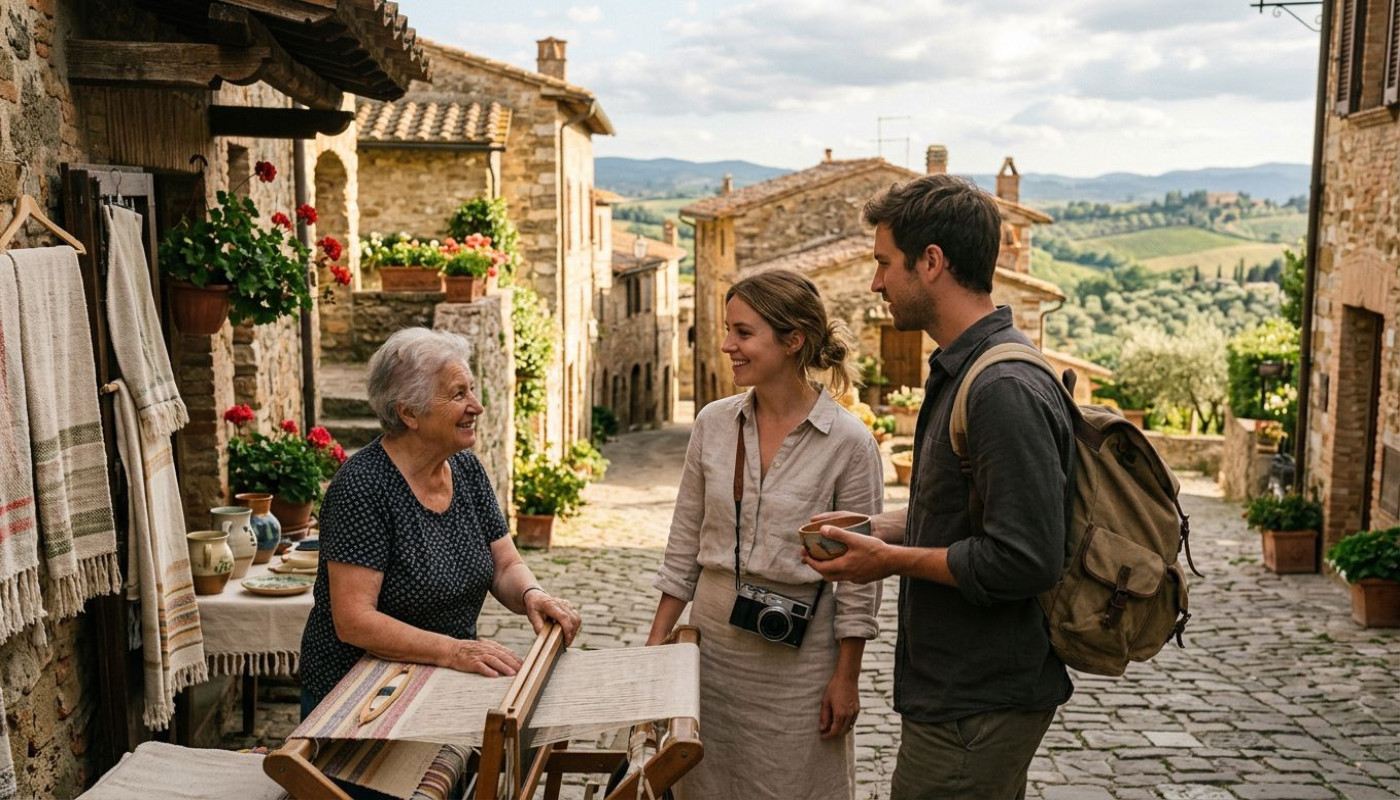
Can Slow Tourism Redefine Your Next Destination Experience?
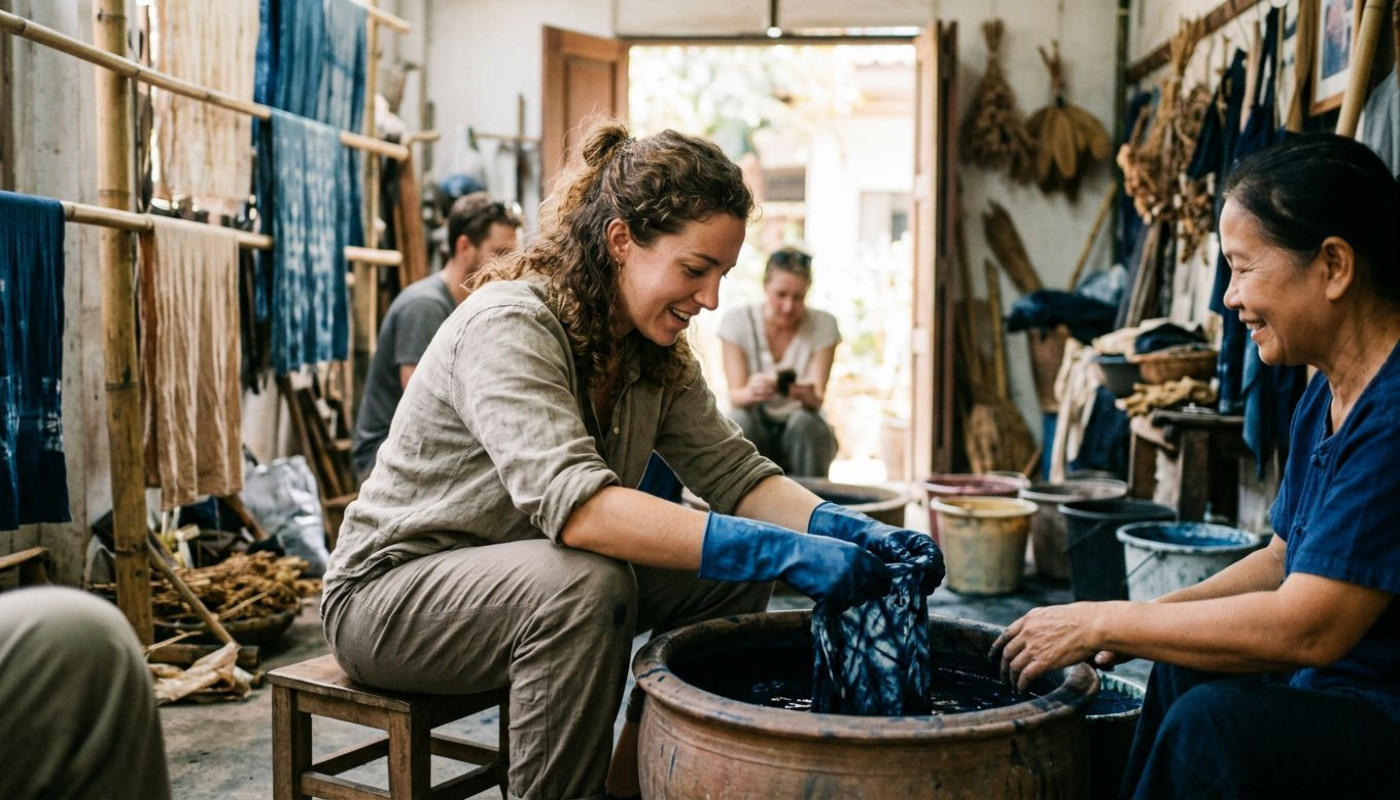
What Unexpected Activities Reveal About A Traveler’s Mindset

Wandering Beyond Borders: How Destinations Shape Your Travel Narrative
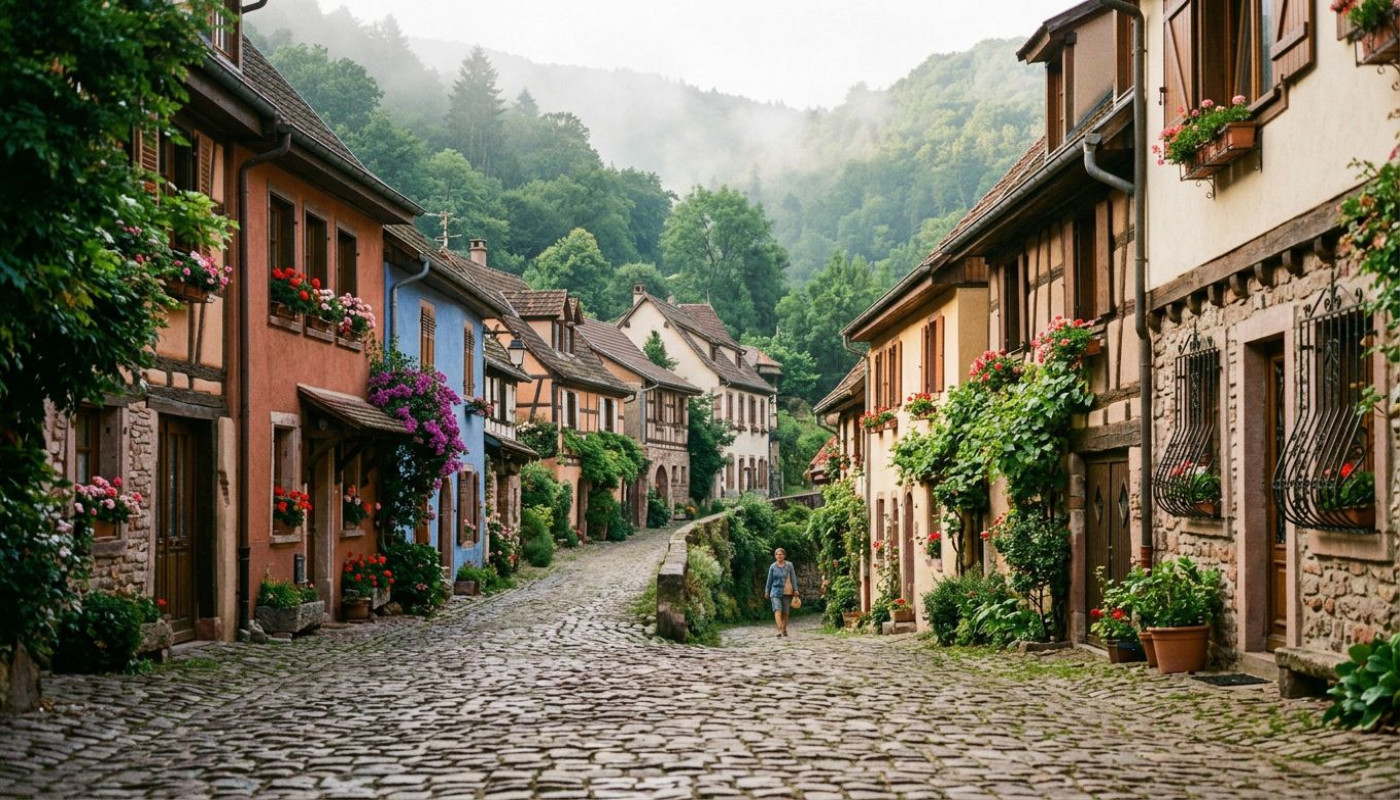
When Local Secrets Outshine Tourist Hotspots: Lessons From Offbeat Destinations

Essential Steps To Verify Your Business On Social Commerce Sites
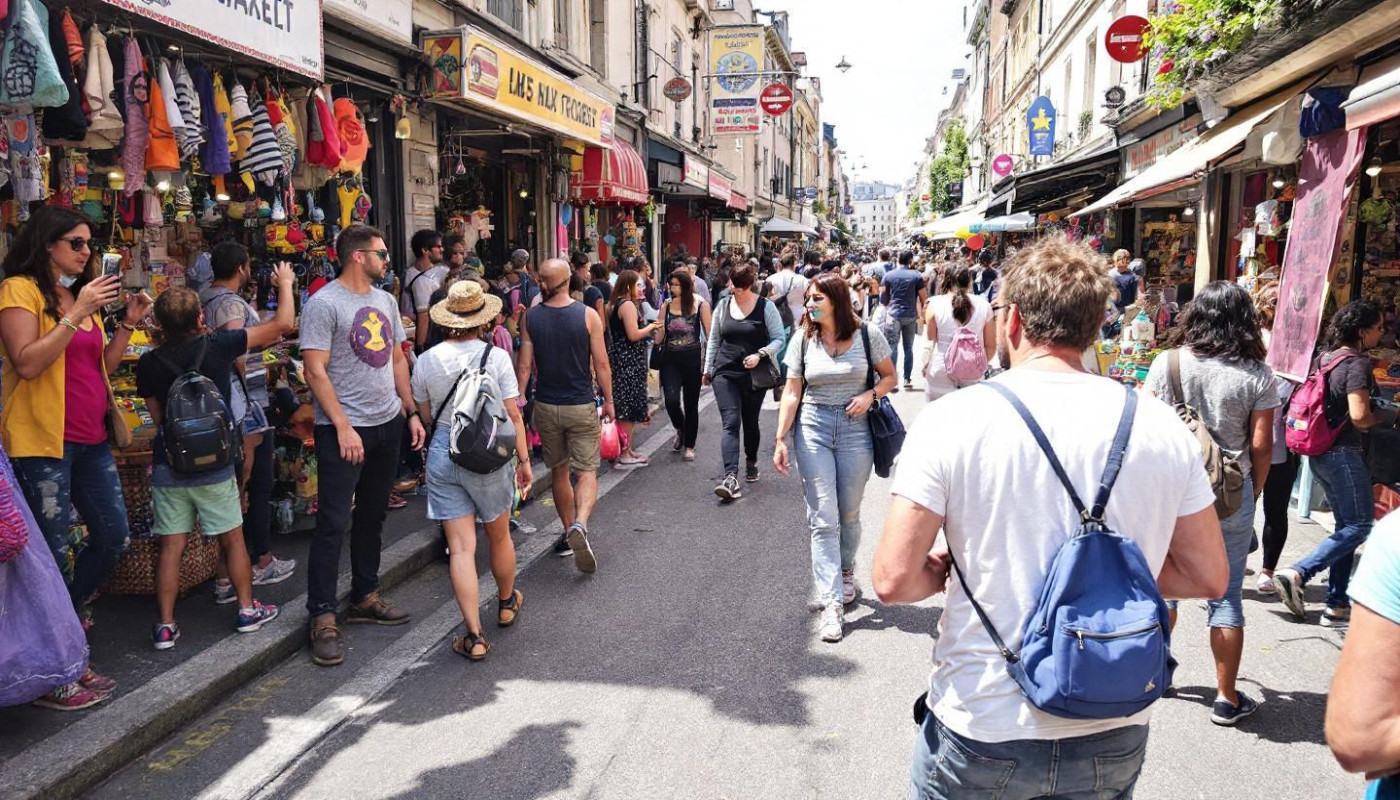
Exploring The Intersection Of Urban Parks And Vibrant Market Cultures

Exploring The Impact Of Asset Discovery On Business Security

Exploring The Benefits Of Renting Versus Buying Winter And Summer Sports Gear
