Table of contents
Overtourism is no longer a side story, it is shaping how cities police crowds, how locals vote, and how travelers rethink what “authentic” even means. From Venice’s new day-tripper fee to tightened rules in fragile natural parks, the message is clear: the old checklist trip is under pressure. In that shift, offbeat destinations, and the local secrets inside them, are becoming more than a trend, they are a practical answer. The most valuable lessons often come from places you did not plan to love.
When “must-see” starts to feel missable
What happens when the dream view comes with a queue? In the last decade, the rise of short stays, low-cost routes, and algorithm-driven travel planning has concentrated visitors into a small number of ultra-visible places, and the result is measurable. Europe’s most visited cities have responded with new controls, and not only symbolic ones; Venice introduced a fee for day visitors in 2024, Amsterdam has actively discouraged certain forms of party tourism, and popular natural sites from island beaches to mountain trails have increasingly adopted timed entries, capped numbers, and stricter enforcement. These policies are not just about etiquette, they are about infrastructure stress, housing pressure, and local tolerance reaching its limit.
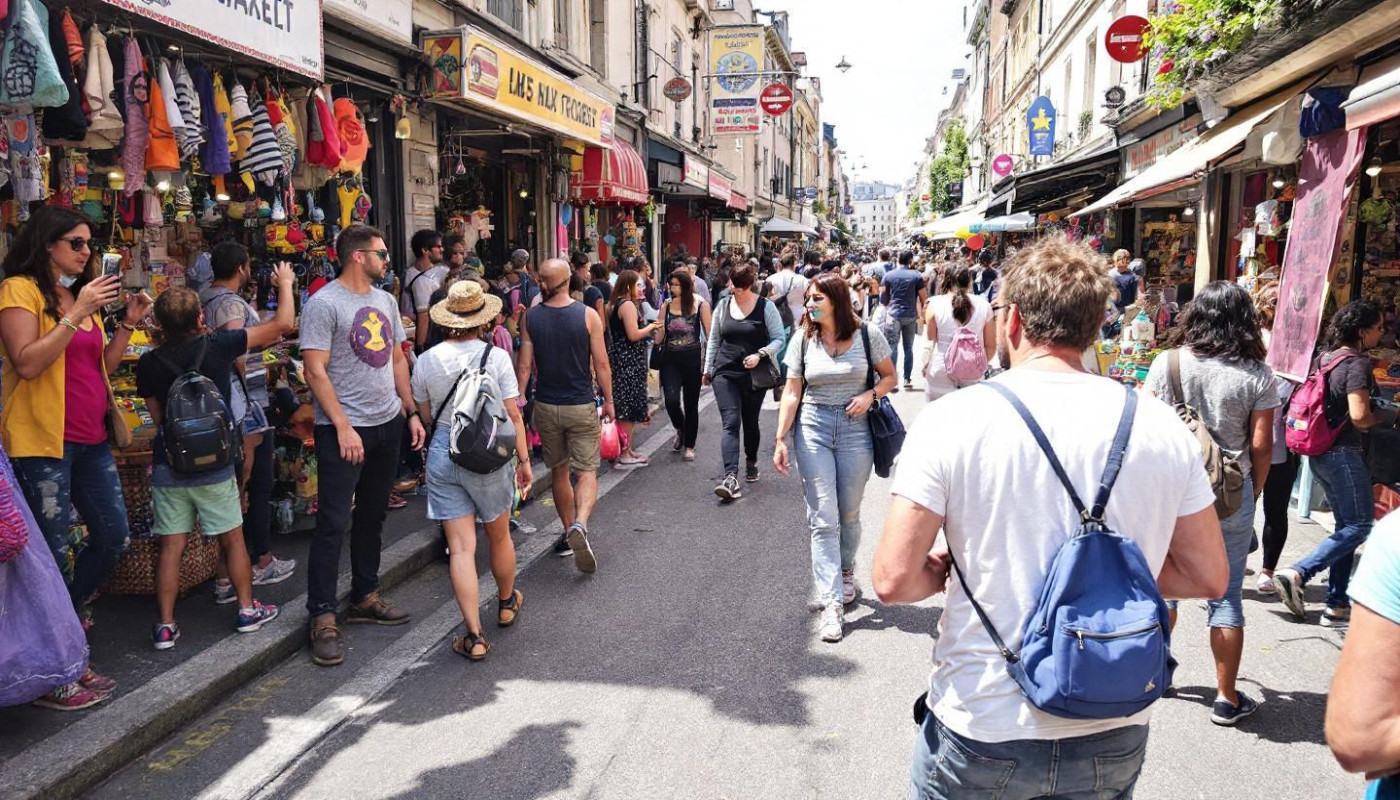
The traveler’s experience changes in parallel, and not always for the better. In high-season hotspots, “doing the highlights” can mean spending more time navigating congestion than absorbing a place, and paying premium prices for a version of the destination that feels curated for volume rather than curiosity. Businesses adapt to the crowd, menus flatten into international sameness, and the small cues that signal daily life, the corner bakery at 6 a.m., the neighborhood market that speaks its own rhythm, become harder to access. Even if visitors still get the iconic photo, many leave with the nagging sense that they experienced the location’s brand, not its pulse.
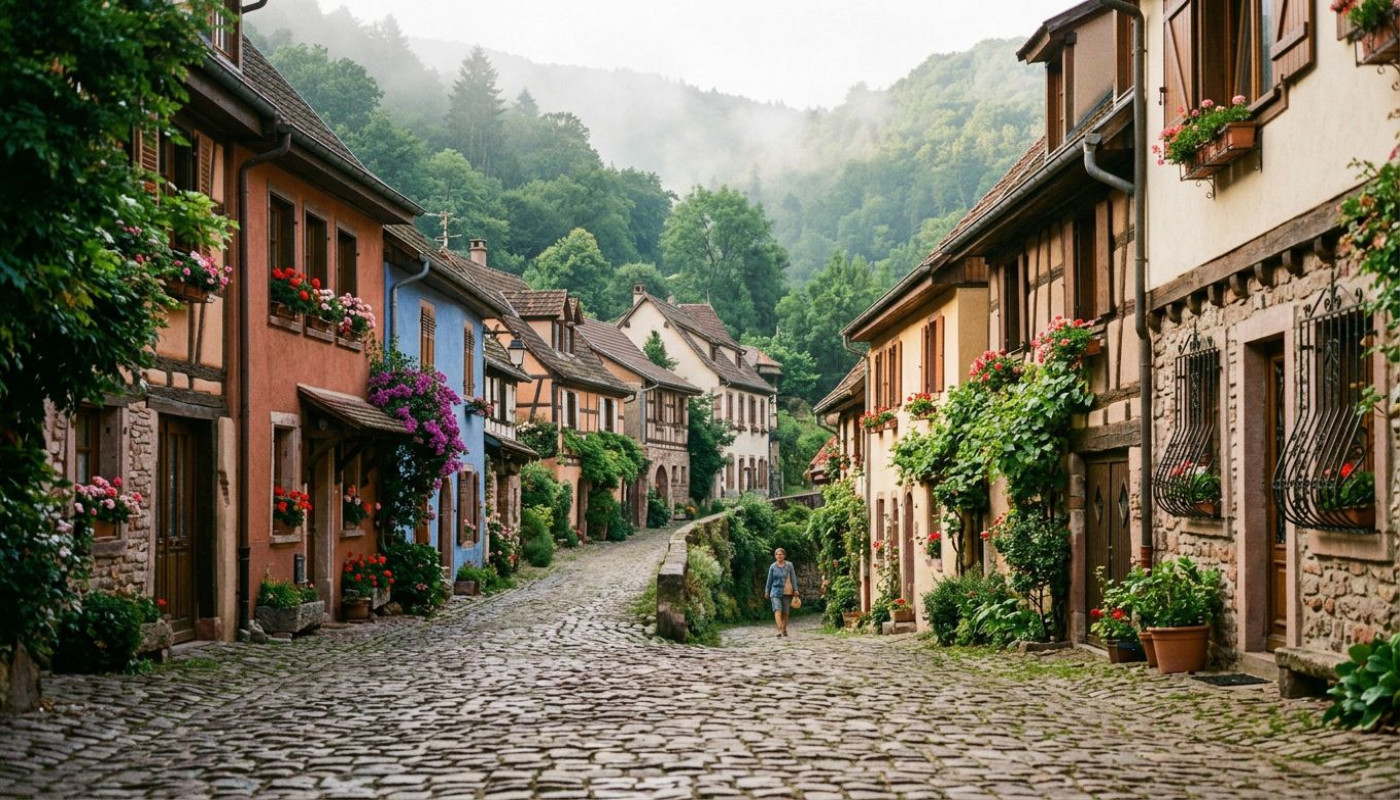
Offbeat destinations thrive in the gaps left by this model. They are not necessarily remote or obscure; often they are one train stop away from the famous square, one valley past the crowded viewpoint, or one season outside the peak months. Their value is not that they are “undiscovered” forever, but that they still operate primarily for residents, and that difference shapes everything from prices to public space. The lesson is blunt: when a place’s identity is built to handle millions, it will inevitably feel different than a place built to handle a normal Tuesday.
That does not mean abandoning famous landmarks, it means reframing them. A “must-see” becomes one chapter, not the whole story; you might visit the cathedral in the morning, then spend the afternoon in a district where people actually live, eat, and argue about local politics. The practical shift is also emotional, and it is significant: travelers increasingly want to feel oriented rather than impressed. In that sense, the local secret is not a hidden bar or a single viewpoint, it is a way of traveling that prioritizes context over conquest.
The local secret is rarely a place
Forget the fantasy of a single hidden spot. In reality, the most meaningful local secrets are patterns, and they show up across continents if you know what to look for. It might be the way a coastal town structures its morning around fishing boats and auctions, or how a small mountain community treats the weekend market like a civic ritual, not a tourist performance. Travelers chasing “secret places” often miss the more durable opportunity, which is learning the destination’s habits, and fitting into them respectfully for a few days.
Data supports why this matters. Crowding is not only a question of “too many people,” it is a question of timing and concentration. Destinations can feel overwhelmed even with moderate visitor numbers if flows spike at the same hours, and if visitors cluster into a narrow corridor of attractions. By contrast, offbeat areas, or simply less-promoted neighborhoods, distribute footfall more naturally, and they allow you to experience daily life without the constant sense of being processed. This is why the best local advice is often about when to go, how to move, and where to linger, not only where to take photos.
Local secrets also reveal themselves through language, transport, and small transactions. If the best meal requires you to order at the counter, wait for a table, and share space with commuters, you are already closer to the real texture of the place than a reservation-only “best of” list. If the best view comes after a local bus ride instead of a tour convoy, the journey becomes part of the story, and you absorb the landscape more slowly. Even weather can be a key: shoulder seasons often strip away the performance layer, and what remains is a destination that behaves like itself.
This approach changes your relationship with planning. Instead of mapping ten attractions, you map two anchors and leave room for the city to teach you its tempo, and that is where offbeat destinations excel. They reward curiosity with manageable logistics, and they often make it easier to have spontaneous conversations, notice local signage, and follow small leads. The secret, in other words, is the permission to be unhurried, and to accept that “less” can deliver more memory per hour than an overstuffed itinerary.
Offbeat travel rewards preparation, not luck
Serendipity sounds romantic, but it is not a strategy. The travelers who consistently find the best offbeat experiences do something unglamorous: they prepare in ways that keep them flexible. That means understanding basic transport options, checking local calendars for markets and festivals, and learning the norms that matter, not only the ones that look good on social media. In smaller places, one closed road, one reduced winter timetable, or one local holiday can reshape an entire day, and preparation is what keeps that from becoming frustration.
It also means picking information sources with incentives aligned to real experience. Generic “top 10” content often funnels everyone into the same few choices, while local operators, regional tourism boards, and specialized travel planners can surface routes that spread visitors and protect fragile areas. For travelers aiming to go beyond the obvious, a well-built itinerary is not restrictive, it is liberating; it gives you structure, then frees your attention for the details that matter, the unexpected conversation, the bakery you return to twice, the cliff walk you take because a local said the light is best after 5 p.m.
New Zealand offers a clear example of how this plays out in practice. Many visitors land with a familiar shortlist, Queenstown adrenaline, Rotorua geothermal, Milford Sound cruises, and while those can be extraordinary, the country’s scale and terrain mean that the real magic often sits in the transitions: lesser-known coastal drives, smaller hiking tracks, quiet lakes where the water looks unreal at dawn, and towns where you can still hear the local accent more than the tourist chatter. Planning here is not about cramming, it is about distances, weather windows, and choosing experiences that fit your pace and comfort level, because the best day can quickly become the worst if you underestimate time on the road.
This is where specialized guidance can turn “offbeat” into “doable.” Travelers looking to build a trip that balances iconic highlights with lesser-known stays can visit their website and see how an itinerary can be shaped around regions, seasons, and realistic travel times, rather than around a one-size-fits-all loop. The broader lesson applies anywhere: offbeat travel is not improvisation, it is intentional choice, and it works best when logistics are handled early so that your days stay open to discovery.
What offbeat places teach about respect
Here is the uncomfortable question: are you adding value, or taking space? In overtouristed hotspots, individual impact can feel diluted, but in smaller communities it is visible. A few loud groups can change a café’s atmosphere, a handful of careless hikers can damage a trail edge, and a sudden wave of short-term rentals can strain housing in a town that was never built to absorb it. Offbeat destinations do not automatically mean ethical travel; in fact, they can be more vulnerable precisely because they have fewer buffers.
The best local secrets therefore come with a responsibility to behave like a temporary resident, not a consumer demanding convenience. That starts with spending patterns. In smaller places, the difference between buying from a locally owned grocery, eating in a family-run restaurant, and booking a local guide versus a large intermediary is not abstract; it shapes jobs, and it shapes which businesses survive the low season. It also involves knowing what not to publicize. Some “secret” natural spots are secret for a reason, and broadcasting precise locations can accelerate erosion, litter, and conflict with landowners.
Respect also means accepting limits. Many communities now set rules around parking, freedom camping, trail access, and wildlife distances, and these are not optional suggestions. Travelers who treat rules as obstacles tend to create exactly the tensions that make locals resent visitors, while travelers who treat rules as part of the place’s social contract often receive more warmth, better advice, and richer encounters. The offbeat lesson is simple and transferable: a destination is not a stage, it is somebody’s home, and the quickest way to unlock its best side is to show you understand that.
Finally, offbeat travel teaches a deeper kind of humility about what “authentic” means. Authenticity is not a performance served to you; it is the messy, ordinary reality of daily life, and you are only passing through. The reward for approaching that reality gently is not just better memories, it is a sense of connection that survives long after the photos. In a travel landscape increasingly shaped by backlash against overcrowding, that may be the most future-proof lesson of all.
How to plan it, without overspending
Start with two anchors, then build breathing room. Book key transport early when supply is limited, especially flights, long-distance trains, and car rentals in peak periods, and keep the rest of your schedule light enough to pivot for weather or local tips. Set a realistic daily travel time cap, because “just two more stops” often becomes the fastest route to fatigue.
Budget for one paid local experience, and look for regional passes or park fees that fund conservation, then check whether any local or national schemes offer discounts for public transport or attractions. Reserve accommodation with flexible cancellation when possible, and avoid ultra-tight itineraries, because the cheapest plan is often the one that prevents last-minute changes.
Similar

Why Your Next Holiday Starts With Choosing The Right Excursion
Can Slow Tourism Redefine Your Next Destination Experience?
What Unexpected Activities Reveal About A Traveler’s Mindset
Wandering Beyond Borders: How Destinations Shape Your Travel Narrative

From Bucket List To Bespoke: Crafting Journeys That Go Beyond Typical Routes

Essential Steps To Verify Your Business On Social Commerce Sites
Exploring The Intersection Of Urban Parks And Vibrant Market Cultures

Exploring The Impact Of Asset Discovery On Business Security

Exploring The Benefits Of Renting Versus Buying Winter And Summer Sports Gear
