Table of contents
Airfares are volatile, cities are straining under record visitor numbers, and many travellers are asking the same question before they book: what if the “best” trip is the one that moves more slowly? From European rail corridors to island communities limiting day-trippers, slow tourism has shifted from niche philosophy to practical response, promising fewer boxes ticked but deeper encounters, and a lighter footprint without sacrificing comfort or curiosity.
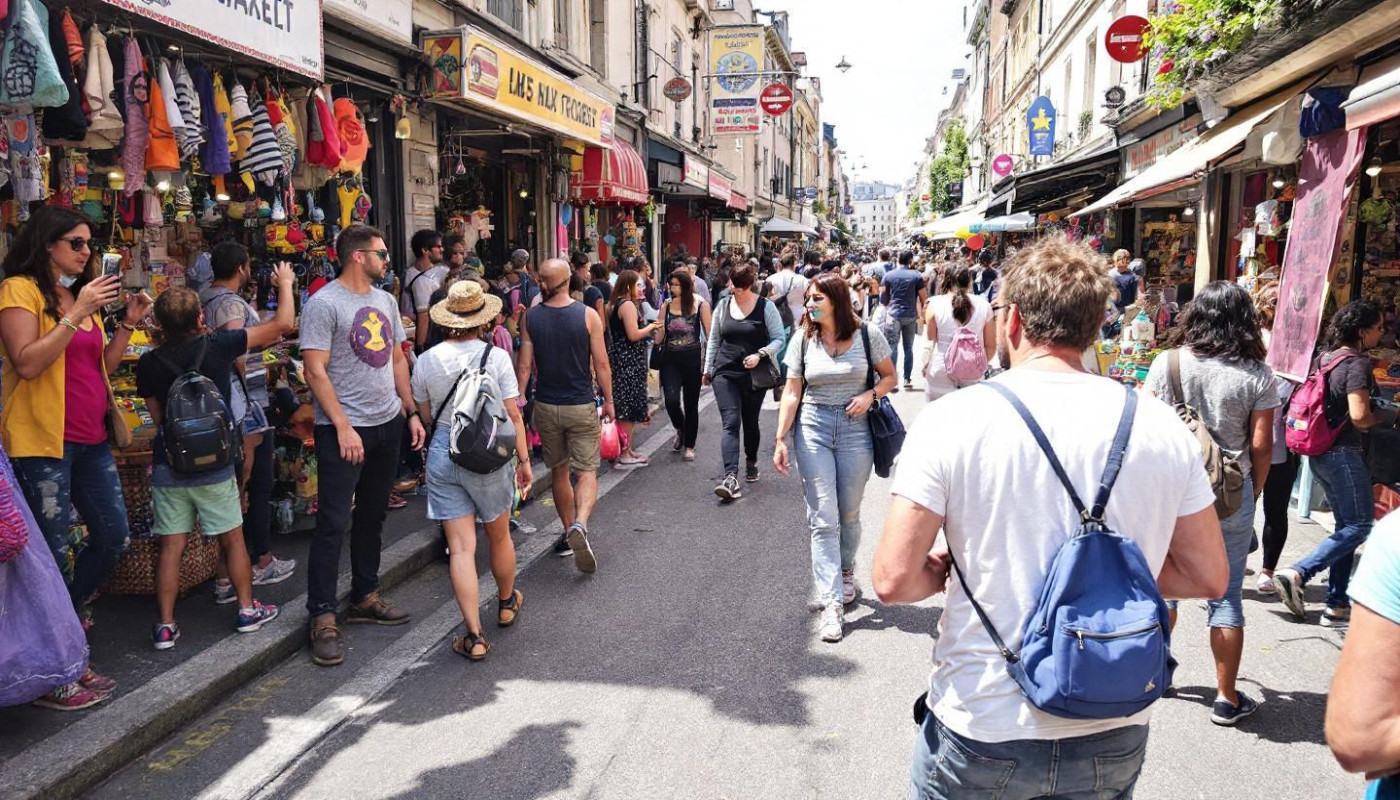
Overcrowding is changing the travel bargain
How much is a destination worth, when it no longer feels like itself? In 2024 and 2025, popular hotspots from the Mediterranean to Japan have wrestled with the same pressure point: visitor volume is rising faster than local tolerance, infrastructure, and housing supply can absorb. International tourism has effectively returned to, and in some places surpassed, pre-pandemic levels, with the UN’s tourism agency reporting that global arrivals recovered to around 99% of 2019 in 2024, a rebound that has been celebrated by airlines and hotels, and questioned by residents living with congestion, noise, and the conversion of long-term rentals into short-term stays.
Policy has followed the crowd. Venice began charging an entry fee on peak days in 2024, a symbolic but closely watched attempt to manage day-trip surges; Amsterdam has continued tightening rules around holiday rentals and discouraging certain high-impact visitor segments; Barcelona has announced plans to phase out tourist apartment licences in the coming years, explicitly linking overtourism to housing affordability. These are not abstract culture-war skirmishes, they are municipal responses to hard data: public transport saturation, waste management costs, emergency services strain, and a local political reality in which “tourism growth” has stopped sounding like an uncomplicated good.
For travellers, the bargain is changing too. The classic city-break promise, quick flights, central hotel, a few headline sights, now often comes bundled with queues, timed tickets, and a creeping sense of performing travel rather than experiencing it. That friction is one reason slow tourism is gaining traction: it reframes the trip around fewer moves, off-peak timing, and staying long enough to notice how a place works. The point is not moral purity, it is value, because time, not just money, is what travellers spend most.
Speed isn’t the enemy, emptiness is
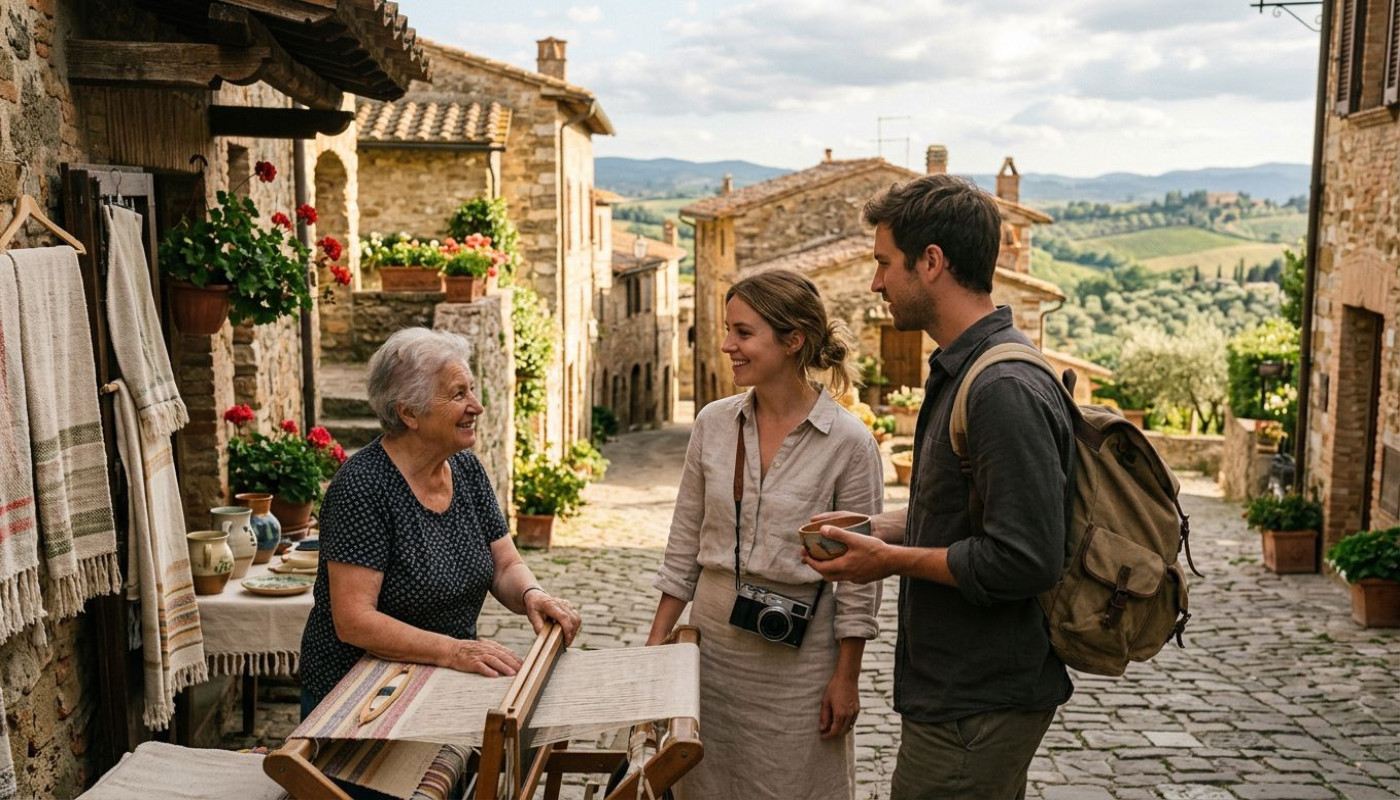
What if the real luxury is unhurried attention? Slow tourism is often caricatured as ascetic, no flights, no cities, only bikes and backpacks, yet the reality is more nuanced and increasingly mainstream. At its core, it is a set of choices that trade velocity for texture: taking rail or coach when practical, planning fewer stops, prioritising neighbourhoods over monuments, and building in time for markets, local walks, and conversations that cannot be compressed into a two-hour window. It is less about doing nothing, and more about doing fewer things properly.
The appeal also tracks with what behavioural researchers have long noted about memory: novelty matters, but so does spacing. When every day is a new check-in and a new “must-see”, experiences blur, whereas repetition, returning to the same café, walking the same waterfront at different times, creates anchors that make a trip feel lived rather than consumed. In that sense, slow travel is not a rejection of planning, it is a different kind of planning, one that makes room for weather, mood, and serendipity, and that can be particularly valuable in destinations where peak-hour crowds blunt the very atmosphere visitors came to find.
There is a climate dimension too, and travellers are increasingly frank about it. Aviation remains a significant source of emissions, and while individual choices do not solve systemic problems, travel behaviour is shifting at the margins: more night trains on certain European corridors, more interest in regional breaks, more willingness to stay longer once a flight has been taken. Slow tourism fits that logic, because extending a stay can lower the emissions intensity per day, even if it does not erase the impact. The more immediate payoff, though, is psychological: fewer transfers, fewer delays cascading into lost days, and less of the low-grade stress that turns holidays into logistics.
How to travel slowly without missing out
Can you slow down and still come home with stories? The practical answer is yes, provided “missing out” is redefined. Start with the itinerary shape: two bases instead of five, or one base with day trips that return you to the same bed. This single move, reducing check-ins, often unlocks the very time travellers think they lack, because packing, commuting to stations or airports, and navigating new neighbourhoods repeatedly can consume half-days without feeling like “travel” at all.
Then look at the calendar. Shoulder seasons have become the sweet spot for many destinations, offering lower prices, more availability, and a calmer street-level experience, while still delivering good weather. Even within a week, timing matters: visiting major sights early or late, keeping midday for quieter neighbourhoods, and booking one or two “set pieces” while leaving the rest flexible. The goal is not to abandon iconic attractions, it is to make them fit into a rhythm that includes ordinary life, because that is where place identity often lives: in public libraries, suburban bakeries, local sports grounds, and coastal walks that never trend on social media.
Transport can be part of the experience rather than a means to an end. In cities, that means using buses and ferries, learning a route well enough that it becomes familiar, and walking with intention rather than drifting from pin to pin on a map. In regions, it can mean scenic rail lines, coastal drives with planned stops, or even a simple decision to stay within a smaller radius. For travellers heading to Australia’s harbour city, for instance, the water is not just scenery, it is a network; exploring by boat can open up beaches, coves, and neighbourhoods with a different perspective, and planning such days in advance can make the whole trip feel less rushed. Those looking at options on https://www.sydney-spirit.com will recognise the logic: one well-chosen outing can replace several frantic transfers, and still deliver that sense of being inside the landscape rather than merely photographing it.
Local economies feel the difference first
Who actually benefits when visitors stay longer? One of the strongest arguments for slow tourism is economic, not ideological. Day trips and ultra-short breaks concentrate spending in a narrow band, big-ticket attractions, central zones, and chain hospitality, while longer stays tend to distribute money more widely, into groceries, local transport, neighbourhood cafés, cultural venues, and small operators who rely on repeat footfall. The difference is visible in many destinations that have tried to rebalance away from crowding: it is not “no tourists”, it is “different tourism”, the kind that supports jobs without overwhelming daily life.
That shift matters because the costs of tourism are local and immediate. Waste collection, policing, maintenance of public space, and pressure on water or coastal environments, these are borne by municipalities and residents, often long before tax revenues or national tourism gains feel tangible. When travellers move slowly, the load can become easier to manage, with fewer peak-time surges and a higher likelihood of engagement with community norms, from quieter evenings in residential streets to a better understanding of protected areas and wildlife rules. It also tends to encourage repeat visitation, a pattern many destinations prefer because returning guests often need less infrastructure hand-holding and behave with more confidence and respect.
Slow tourism is not a cure-all, and it can create its own tensions if it pushes demand into previously quiet places without planning or investment. Yet in practice, it aligns with a growing policy toolkit: dispersal strategies that encourage visits beyond saturated centres, longer-stay incentives, and better data on visitor flows. The more transparent cities become about capacity, booking systems, and local etiquette, the easier it is for travellers to adapt, and the more likely it is that “destination experience” stops meaning a checklist and starts meaning a relationship, however brief, between guest and host community.
Before you book, make it measurable
What would “slower” look like on your calendar? Start with one decision that changes the pace, an extra night in the same place, one less internal flight, or a midweek arrival, then build around it. Budget for experiences that replace constant movement, and reserve early when capacity is limited, especially for boats, trains, and small-group outings; in some destinations, local or seasonal discounts may apply, so check official city and state tourism pages for current offers and passes.
Similar

Why Your Next Holiday Starts With Choosing The Right Excursion

What Unexpected Activities Reveal About A Traveler’s Mindset
Wandering Beyond Borders: How Destinations Shape Your Travel Narrative
When Local Secrets Outshine Tourist Hotspots: Lessons From Offbeat Destinations
From Bucket List To Bespoke: Crafting Journeys That Go Beyond Typical Routes

Essential Steps To Verify Your Business On Social Commerce Sites
Exploring The Intersection Of Urban Parks And Vibrant Market Cultures

Exploring The Impact Of Asset Discovery On Business Security

Exploring The Benefits Of Renting Versus Buying Winter And Summer Sports Gear
