Table of contents
Airfare charts are easing, cities are rethinking overtourism, and “where” you go has become as consequential as “why” you travel. In 2024, international tourism effectively returned to pre-pandemic levels, with the UN Tourism barometer estimating arrivals at about 99% of 2019, a rebound that has rewritten travelers’ expectations and destinations’ strategies. The result is a new travel grammar: places no longer serve as simple backdrops, they steer the story, the rhythm, and even the meaning you bring home.
When place becomes the plot twist
Some trips unfold like a well-planned itinerary, others pivot because a destination imposes its own tempo, and that shift often becomes the memory that sticks. A coastal town with a two-hour lunch break can derail your “see everything” ambitions, while a capital city built around late-night culture pushes you into different hours, different conversations, and a different version of yourself. In travel psychology, researchers have long noted that novelty and contrast sharpen recall, and destinations deliver both: architecture, climate, language, and social codes can flip the emotional register of a day in minutes.
It is also why travelers increasingly choose places for narrative potential, not just attractions. Social platforms may amplify the trend, yet the underlying behavior is measurable: the World Travel & Tourism Council (WTTC) has tracked the sector’s surge back, estimating Travel & Tourism contributed roughly 9.1% of global GDP in 2023, still below the 2019 peak but expanding fast, and that growth has coincided with travelers spending more on experiences than on “boxes ticked.” A destination that forces you to slow down, to learn a ritual, to navigate a market without your usual cues, can produce what feels like character development, and suddenly your trip has an arc: conflict, adaptation, resolution.
The plot twist can be logistical too, and the logistics matter because they shape what you notice. In cities tightening access, like Venice moving toward paid day-entry systems and visitor controls, or Amsterdam discouraging certain forms of mass tourism, the message is clear: you are not just consuming a place, you are entering a managed environment with rules and consequences. That framing changes behavior, and behavior changes narrative; you tell different stories when you felt welcomed, guided, limited, or challenged, and readers back home can sense that difference in the details.
The new map: emotions over landmarks
Ask frequent travelers what they remember, and the answers rarely sound like a guidebook. They remember how a street smelled after rain, the awkward kindness of a stranger translating a menu, and the tiny victory of finding the right platform with seconds to spare. That is not sentimentalism, it is how memory works: emotion tags moments as important, and destinations provide the raw material. A mountain village can deliver quiet that feels unfamiliar, a dense metropolis can deliver overstimulation that becomes exhilarating, and both can be “successful” trips even if the photo checklist looks incomplete.
That shift toward emotional cartography is reinforced by the data on why people travel. Surveys from major travel research firms in recent years have repeatedly shown “rest and recharge,” “time with family,” and “authentic local experiences” ranking at or near the top of motivations, above purely sightseeing-driven goals. Meanwhile, global tourism’s rapid normalization in 2024 has intensified competition between destinations, and the winners are often those that can articulate a mood: not merely “things to do,” but “how it feels.” It is why some places invest in night-time safety initiatives, pedestrianization, cultural programming, or regional food branding; they are curating an atmosphere as deliberately as they maintain monuments.
For travelers, the implication is practical: designing a trip around an emotion can lead to better choices than designing it around a list. If you want awe, prioritize landscapes and dark-sky areas, and accept longer drives in exchange for fewer crowds. If you want connection, choose smaller cities with strong neighborhood life, and build time for cafés, markets, and local sports, because that is where conversation happens. If you want creative energy, aim for places with festivals, galleries, and live music calendars, and travel in shoulder seasons when venues still program heavily but streets feel less saturated.
And if you want to understand a destination beyond clichés, it helps to follow its “everyday” culture. In port cities, for example, the story often lives in contrasts: luxury marinas beside working docks, migration histories beside tourist boulevards, and culinary traditions shaped by arrivals and departures. Travelers who lean into that complexity tend to come home with richer narratives, because the place has offered them layers, and layers are what make stories rereadable.
Marseille, a masterclass in contrast
Marseille does not ease you in, and that is precisely its power. France’s oldest city, founded around 600 BCE as the Greek colony of Massalia, has always been a hinge between worlds, a Mediterranean port that absorbed commerce, conflict, and cultural exchange long before “multiculturalism” became a slogan. Today it is France’s second-largest city by population, and it has spent the past decade balancing major investment with persistent inequality, a tension visible from the Vieux-Port to the northern neighborhoods. For a traveler, that tension can feel like a live wire: you are not walking through a museum, you are walking through a city that is still negotiating itself.
It is also a place where sensory details do heavy narrative lifting. The light is harder and more maritime than in northern France, the wind can change the mood in an hour, and the streets oscillate between polished facades and rough edges without warning. Marseille’s cultural infrastructure has grown since its year as European Capital of Culture in 2013, with venues and institutions that draw international programming, and yet everyday life remains stubbornly local, anchored in markets, cafés, football, and the cadence of the port. That combination gives a traveler ready-made scenes: a quiet chapel above the city, a loud terrace debate, a ferry wake cutting the harbor, and the distant geometry of container cranes.
If you are building a travel narrative, Marseille teaches an important rule: do not flatten the place into one label. “Gritty” is too easy, “beautiful” is too vague, “dangerous” is often lazy. The better approach is to treat the city like a character with contradictions, and to pick a thread that matches your intent: art and architecture, maritime history, food and markets, or the Calanques and the pull of nature at the city’s edge. For travelers drawn to local identity and craft, Marseille’s relationship with aniseed spirits is one of those threads, a cultural signal that points to social rituals, regional taste, and the city’s long Mediterranean conversation. For a deeper look at that facet of the city’s heritage, https://www.marseille-spirit.com/ offers context that can sharpen what you notice once you arrive.
The city also illustrates a broader trend: destinations increasingly ask visitors to behave like guests, not conquerors. Marseille has faced the same pressures as other Mediterranean hubs, including seasonal crowding and strain on popular natural sites, and regional authorities have introduced measures in the wider area, such as controlled access during peak periods to protect fragile coastal environments. For the traveler, these policies are not mere constraints, they are narrative cues: they tell you what the place values, what it fears losing, and where your presence has weight.
Write your trip while you live it
Want a story worth telling? Stop outsourcing meaning to the highlights. The most compelling travel narratives usually come from decisions made on the ground: taking the long bus because the train is full, accepting the tiny table near the kitchen, walking one extra neighborhood because the light looked different. Those choices create scenes, and scenes create momentum. In practical terms, this means building slack into your schedule, because rigid itineraries erase the very accidents that make a trip feel alive.
It also means collecting specific details, not generic impressions. Journalists rely on the “reported” texture of a place, and travelers can do the same without turning a vacation into work: note the time the city wakes up, the way people greet shopkeepers, the background soundtrack on public transport, and what locals complain about. Complaints, in particular, are revealing; they show what a community notices, what it thinks is changing, and what it wants to protect. If you travel with someone else, compare notes at the end of the day, because two perspectives create depth, and depth is what separates a story from a scrapbook.
Budget and logistics influence narrative more than most travelers admit. Choosing a slower route because it is cheaper can lead to encounters a taxi would have erased, and choosing one “splurge” experience can anchor an entire trip in a single unforgettable hour. The post-pandemic rebound has also made pricing more volatile, with accommodation rates in many high-demand cities remaining elevated compared with 2019, and that volatility rewards flexible travelers who book early for peak seasons, then leave room for spontaneity once on the ground. When destinations are crowded, the simplest narrative upgrade is timing: early mornings and weekday visits often deliver the same places with completely different atmospheres.
A practical finish: plan, protect, enjoy
Book transport early for peak dates, and leave gaps for unplanned detours. Set a daily budget that includes one meaningful experience, not just meals and tickets. Check local rules for natural sites, and reserve timed entries when required. In France, some travelers can reduce costs via rail cards and regional passes; compare options before committing.
Similar
Why Your Next Holiday Starts With Choosing The Right Excursion
Can Slow Tourism Redefine Your Next Destination Experience?
What Unexpected Activities Reveal About A Traveler’s Mindset
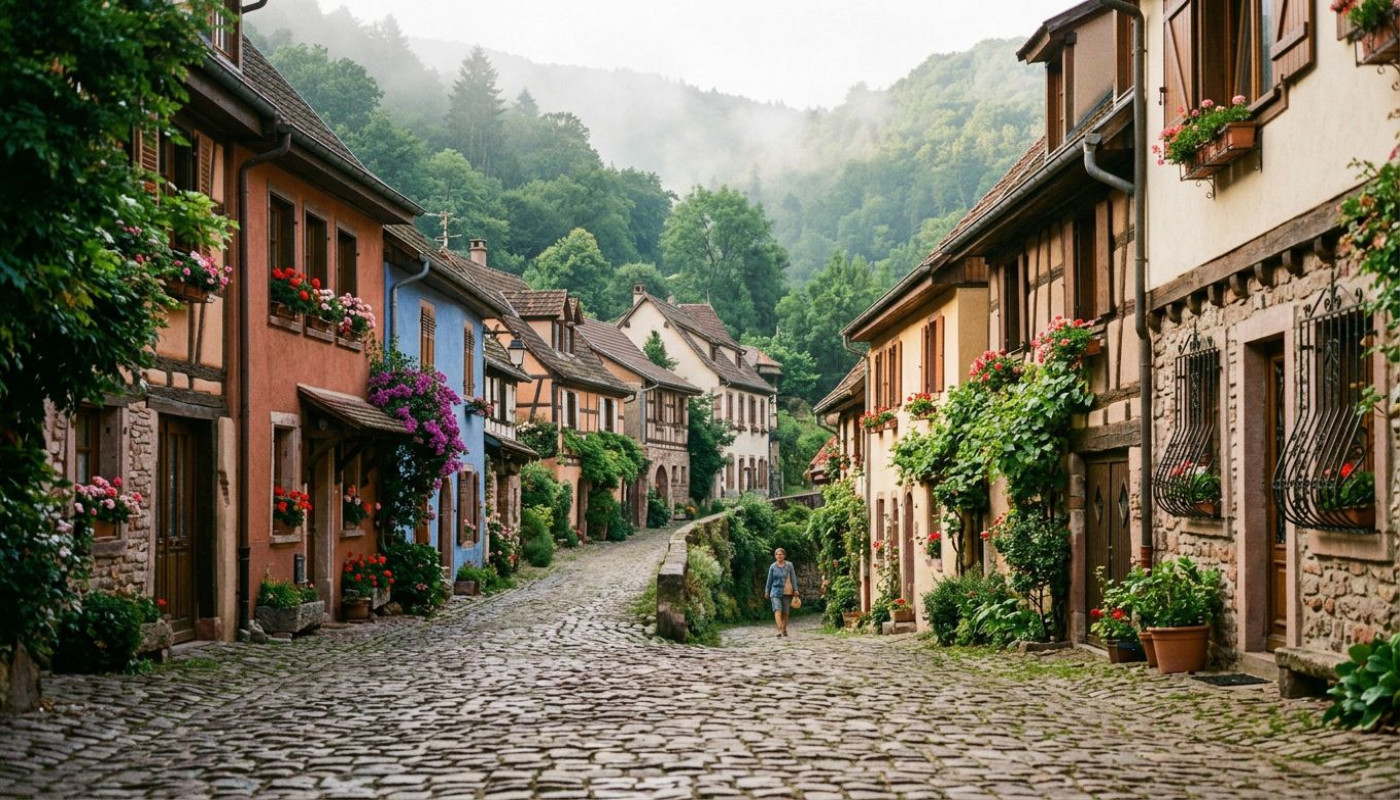
When Local Secrets Outshine Tourist Hotspots: Lessons From Offbeat Destinations
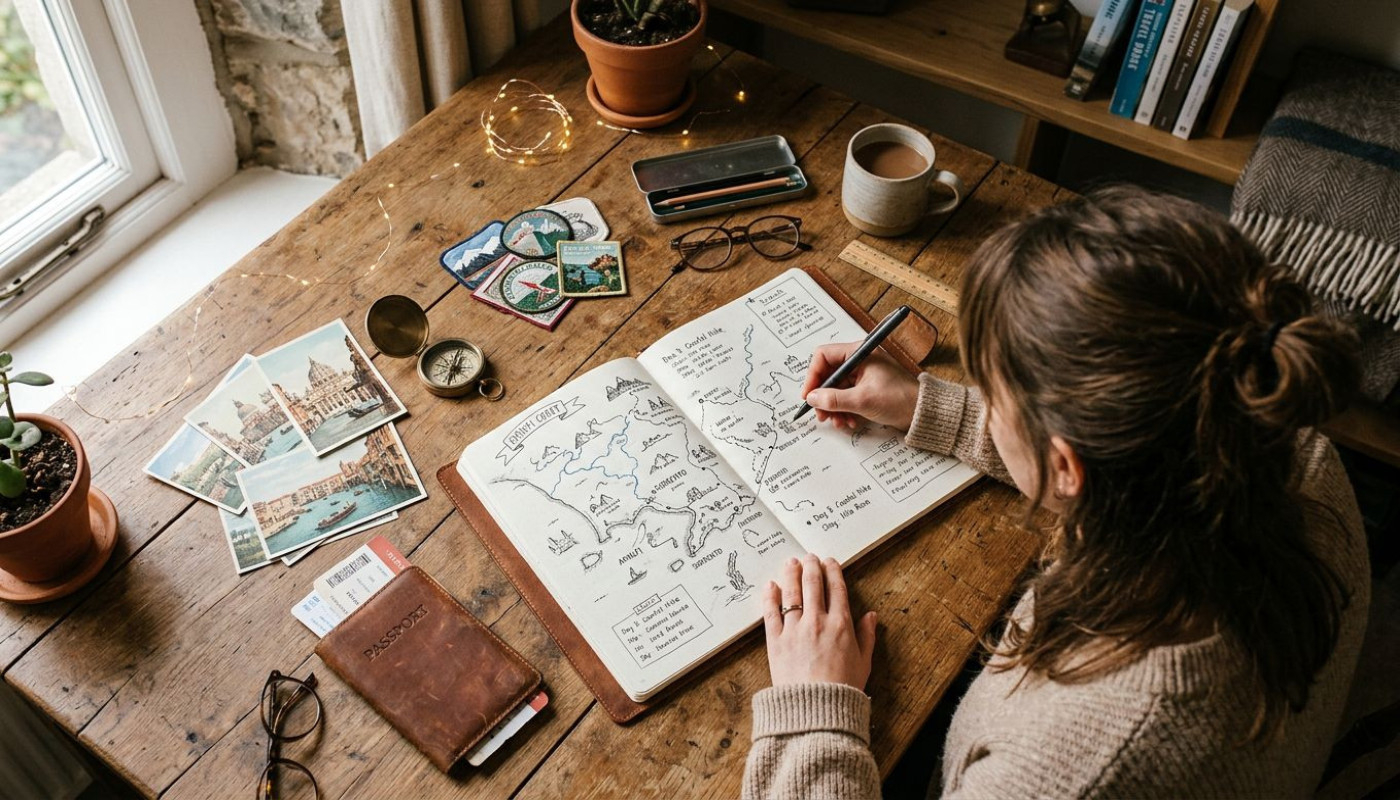
From Bucket List To Bespoke: Crafting Journeys That Go Beyond Typical Routes

Essential Steps To Verify Your Business On Social Commerce Sites
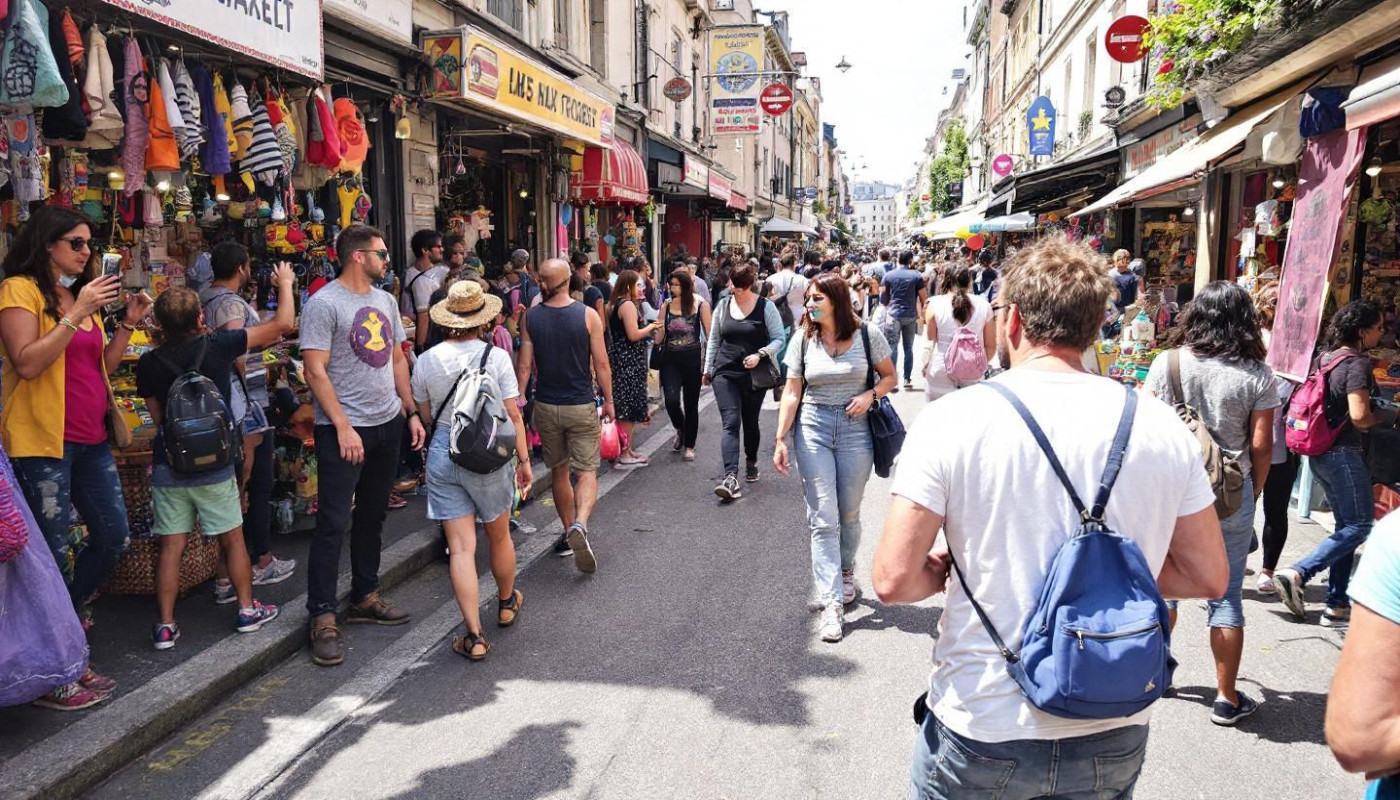
Exploring The Intersection Of Urban Parks And Vibrant Market Cultures

Exploring The Impact Of Asset Discovery On Business Security

Exploring The Benefits Of Renting Versus Buying Winter And Summer Sports Gear
